KPV, independently verified
Is KPV third-party tested? A Janoshik report is published for it. It prints a purity figure and a measured quantity. The report prints no batch ID, so it does not identify a lot. The report carries a unique key you can confirm directly with the lab.
Janoshik reports published per lot. Verify any report with its key.
99.600%purity as printed; report names no batch
- Compound
- KPV
- Category
- Research peptide
- Assayed purity (HPLC)
- 99.600%
- Method
- Not printed on the report (Janoshik reports peptide purity by HPLC)
- Testing lab
- Janoshik
- Task number
- #215320
- Sample (as printed)
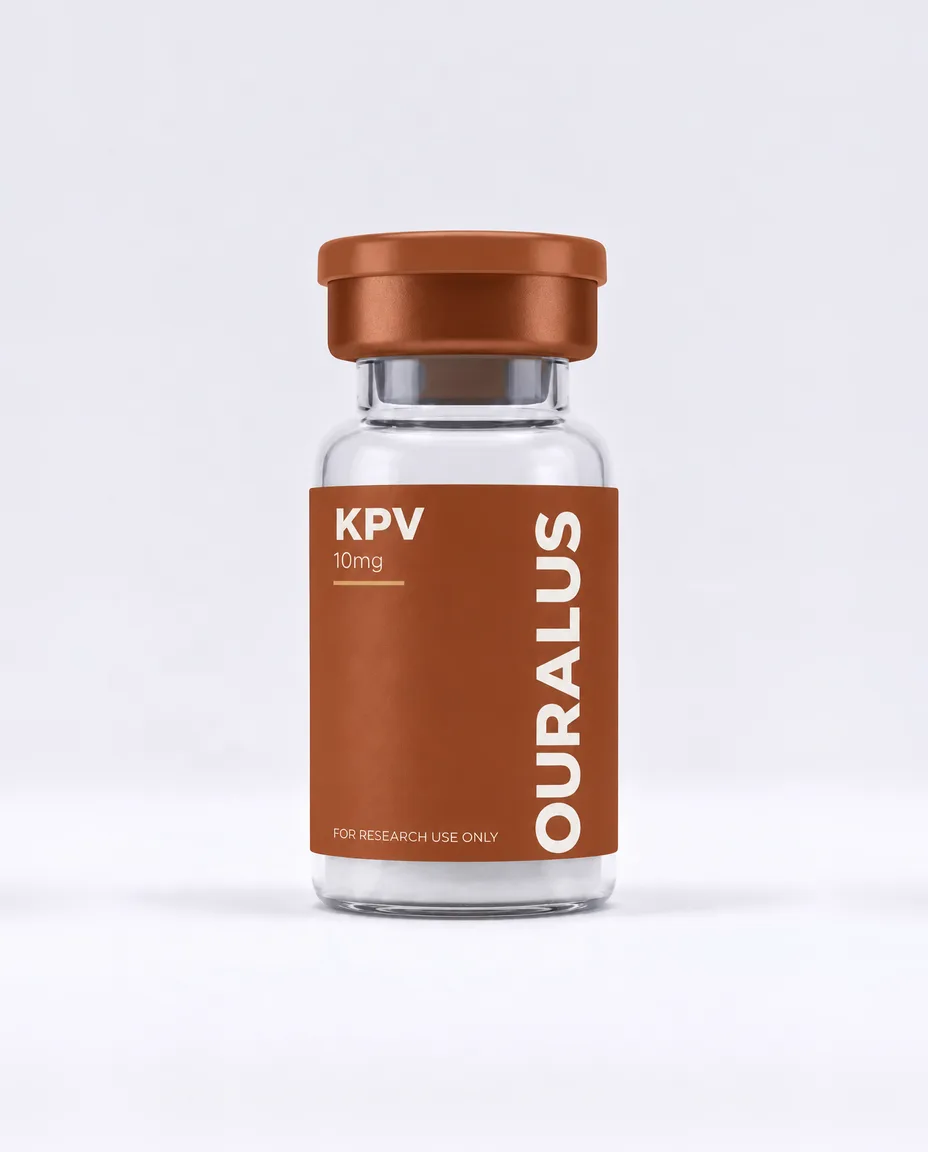
- KPV 10mg
- Quantity result
- 10.70 mg
- Batch / lot
- Blank on report
- Analysis date
- 2026-07-31
- Verify key
- NF2W9KQY4UQP
How to read this certificate
- Net content — the lab's measured quantity of the compound in the vial, in milligrams, as printed on the report for this batch.
- Assayed purity — the measured purity figure the lab printed for this batch. It is a property of this lot, which is why it's tied to a batch and date.
- Verify key — the code that makes the report checkable: enter it at the lab to read the certificate straight from the source.
Scope: this report prints purity (where shown) and net content. It prints no identity result, and Ouralus does not claim identity, endotoxin, sterility or heavy-metal testing. A certificate characterises the material as tested; it says nothing about use. New to COAs? Read How to verify a certificate of analysis.
View KPV in the catalogue →KPV specification →All certificates →
For laboratory research use only — not for human or animal consumption.